Shop Gear Pros Trust
Trending Gear


 Pete Stone
Gearheads @ Large : Alaska Heli Skiing
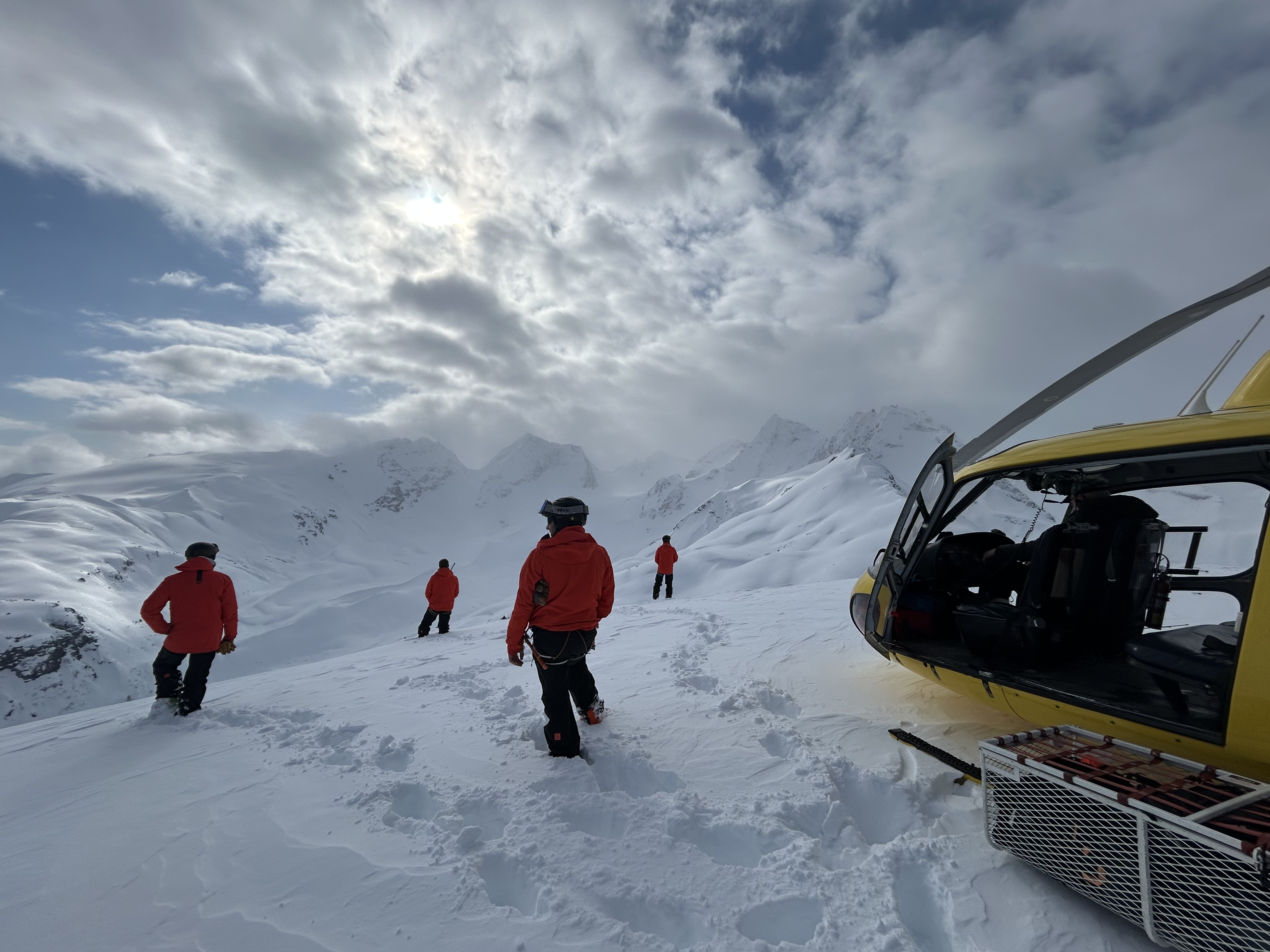
This is Pete Stone's curated gear list for heli-skiing in Alaska. Pete's expertise comes from many seasons of guiding and gear testing in AK's Chilkat Range. Heli-skiing AK requires specialized gear because of the scale of the mountains and the intensity of the terrain—as well as the harsh winter climate.
 Zion Adventures
Go Forth and Slay Pow
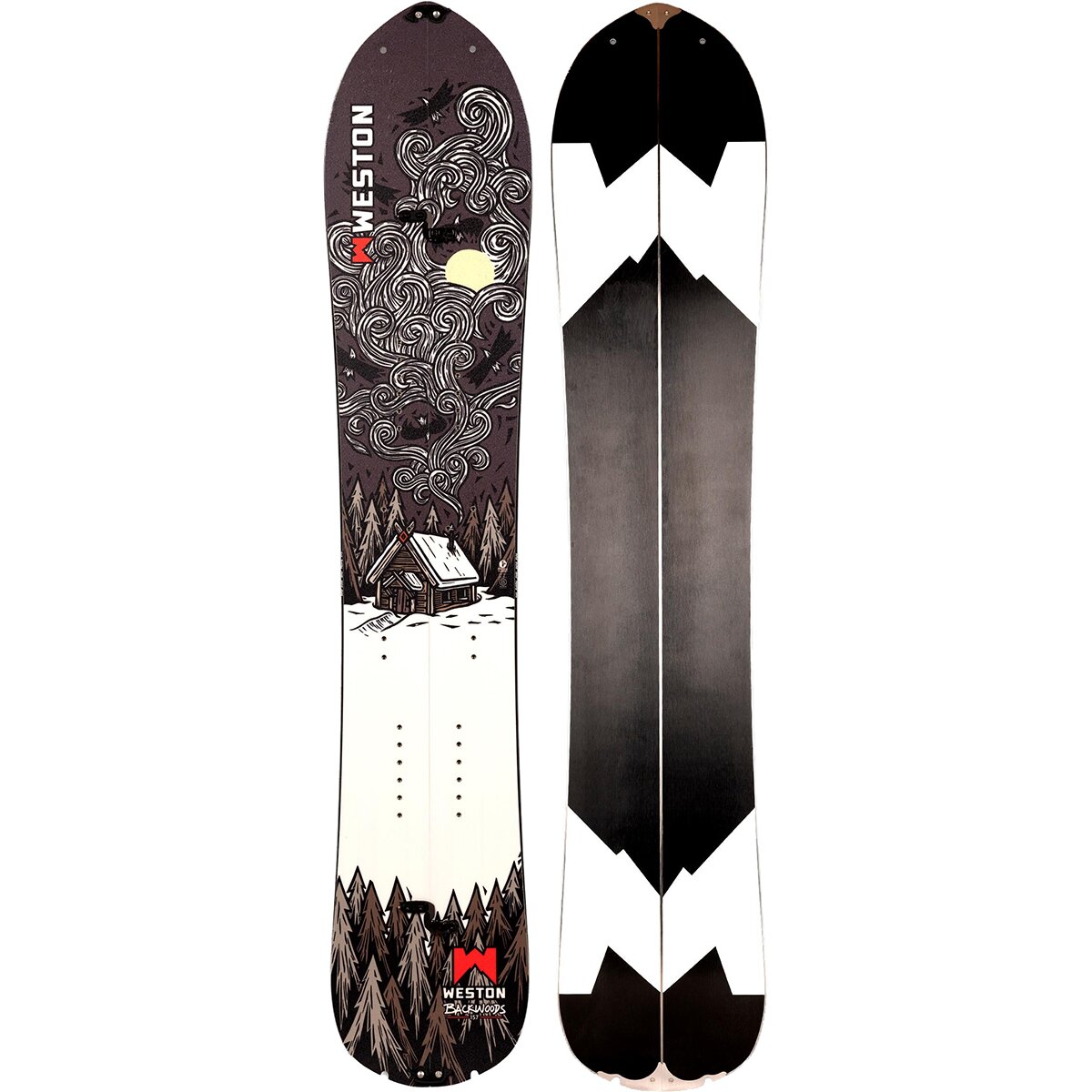
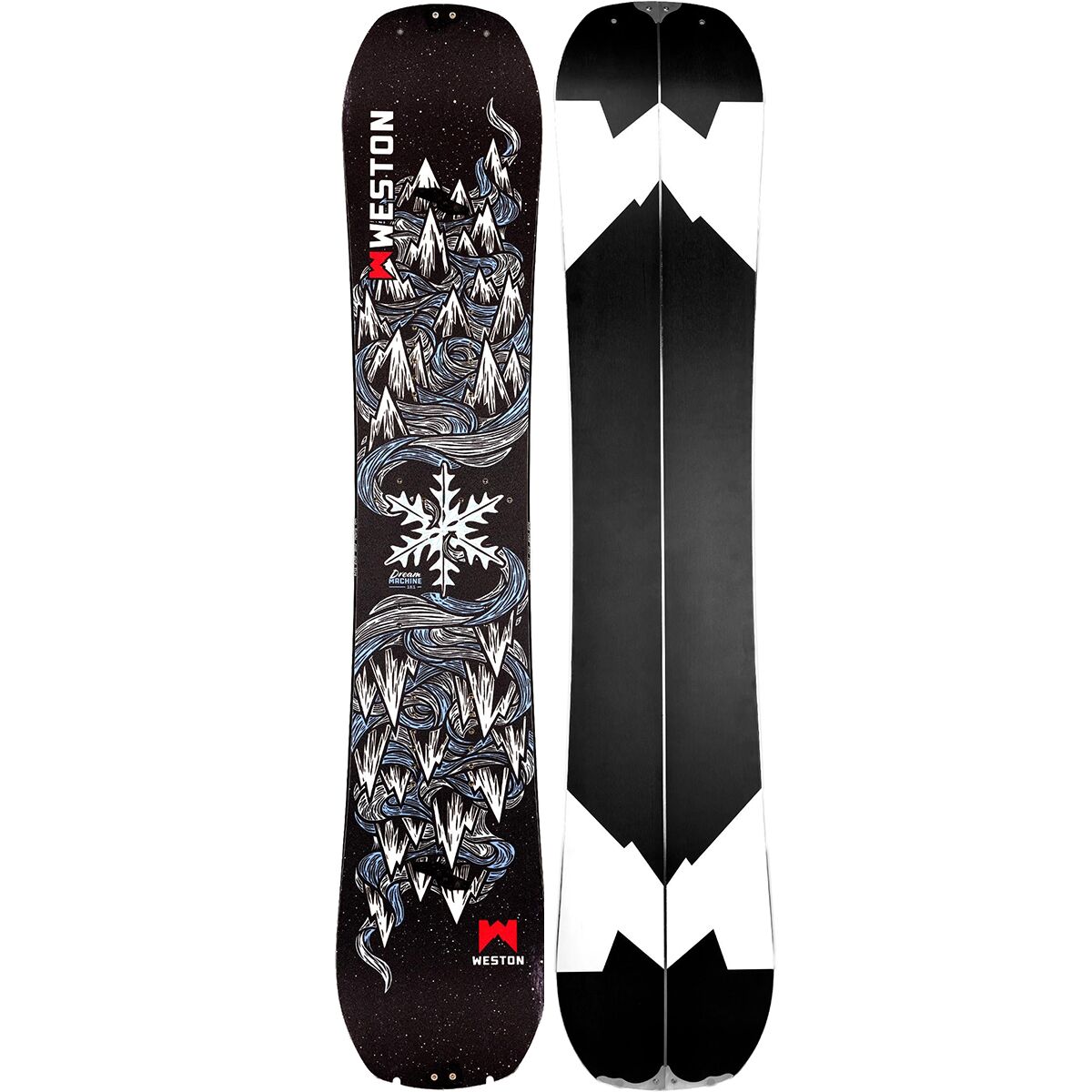
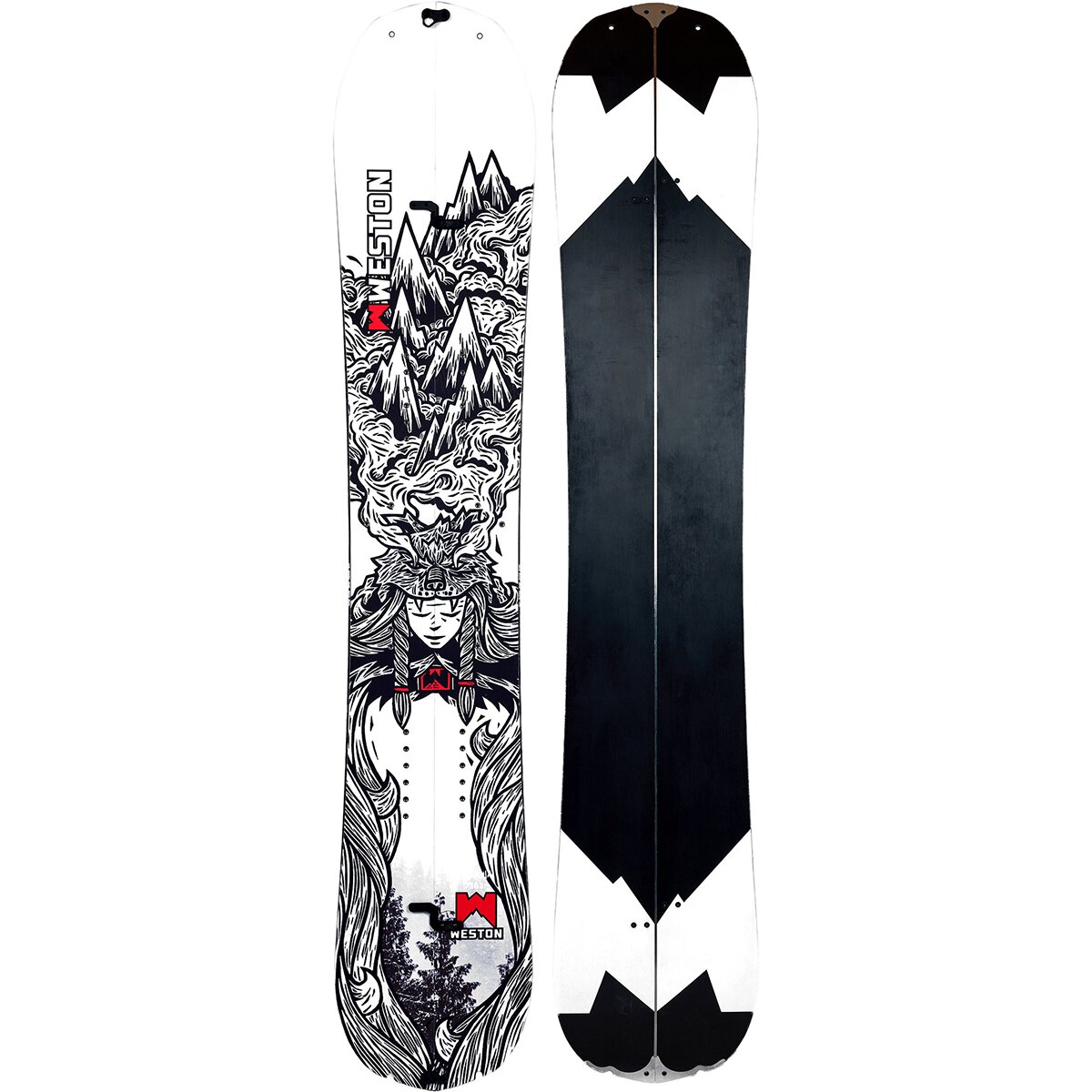
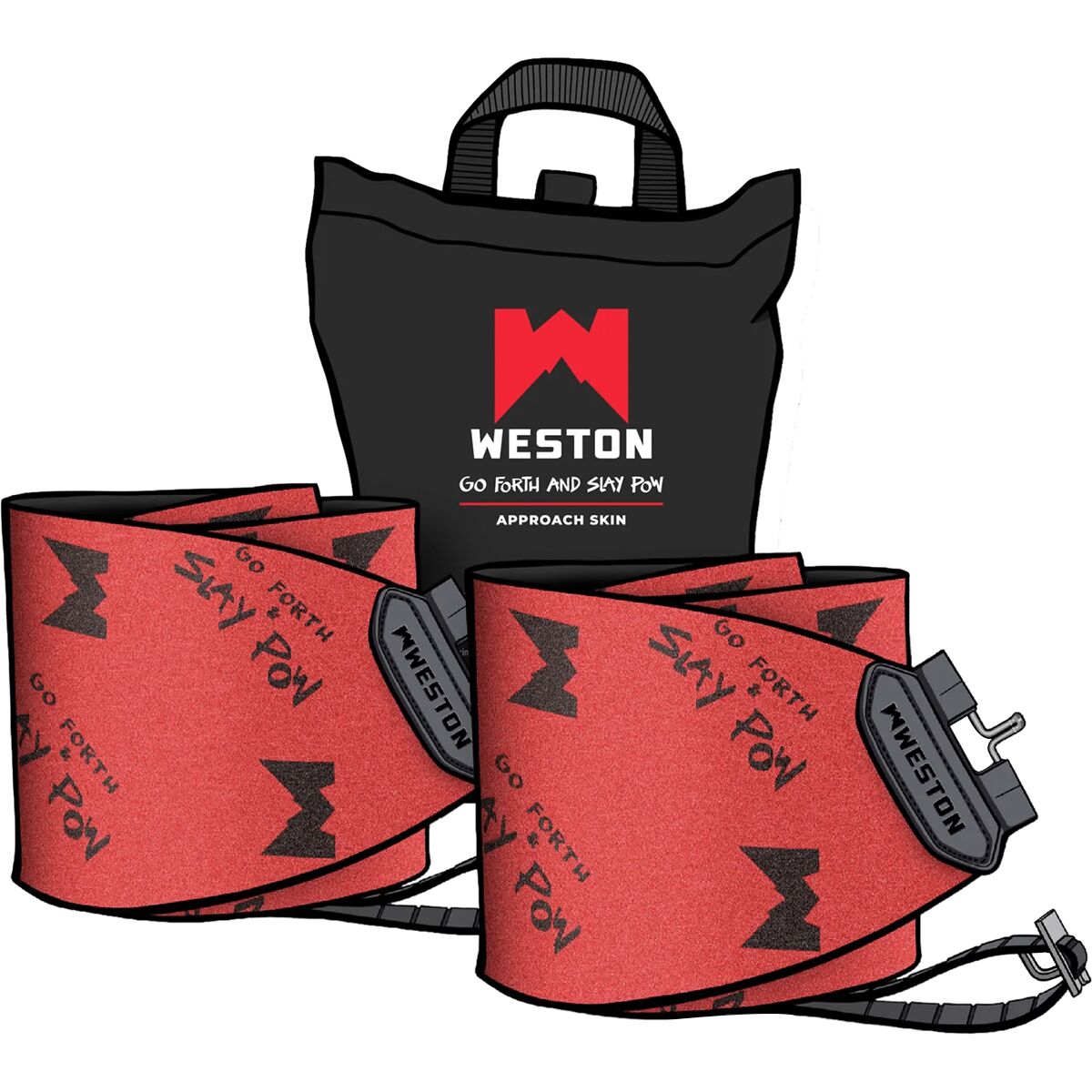
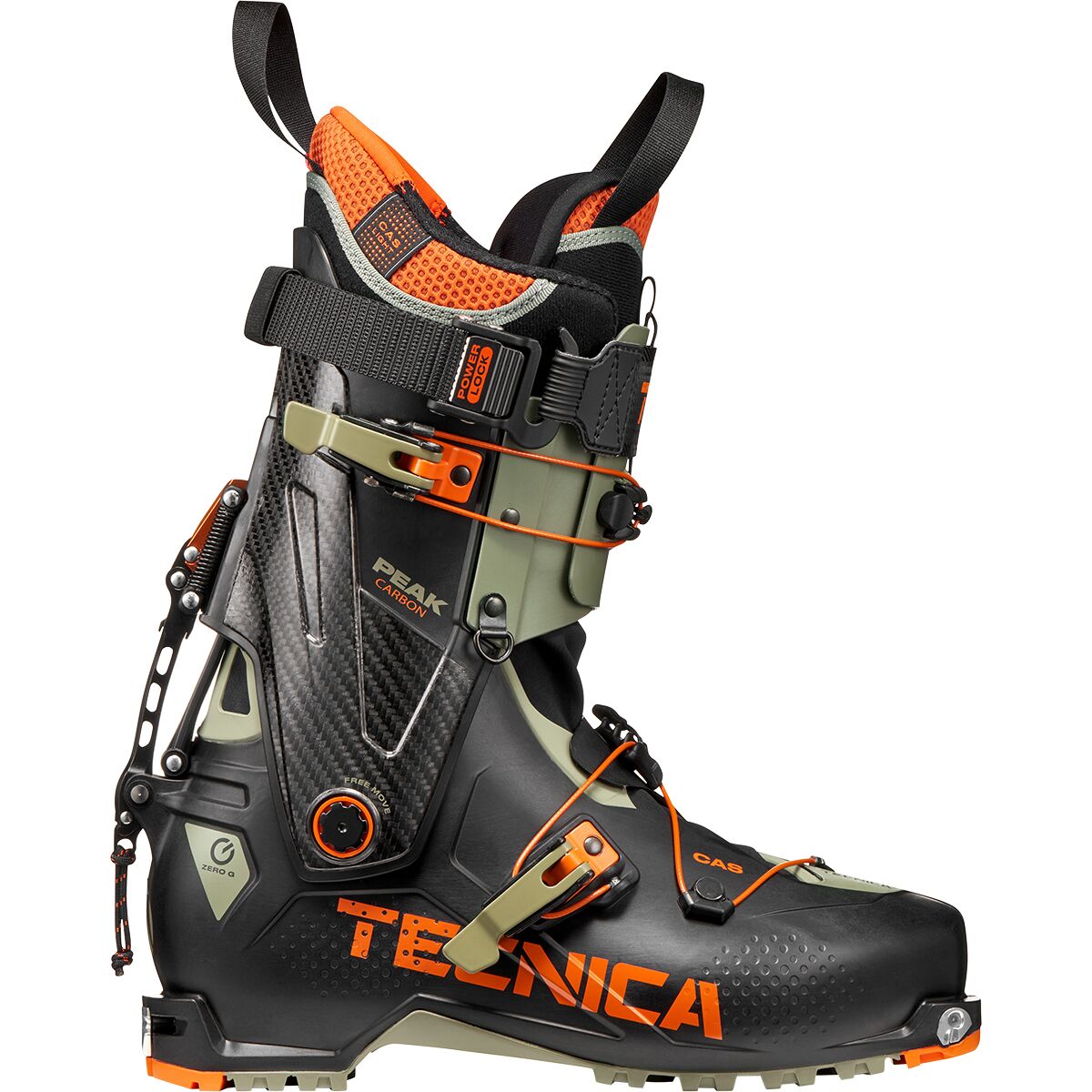
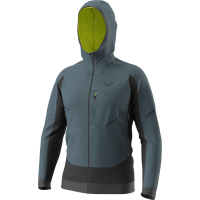
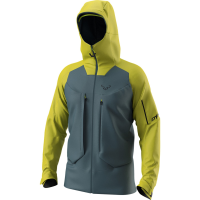
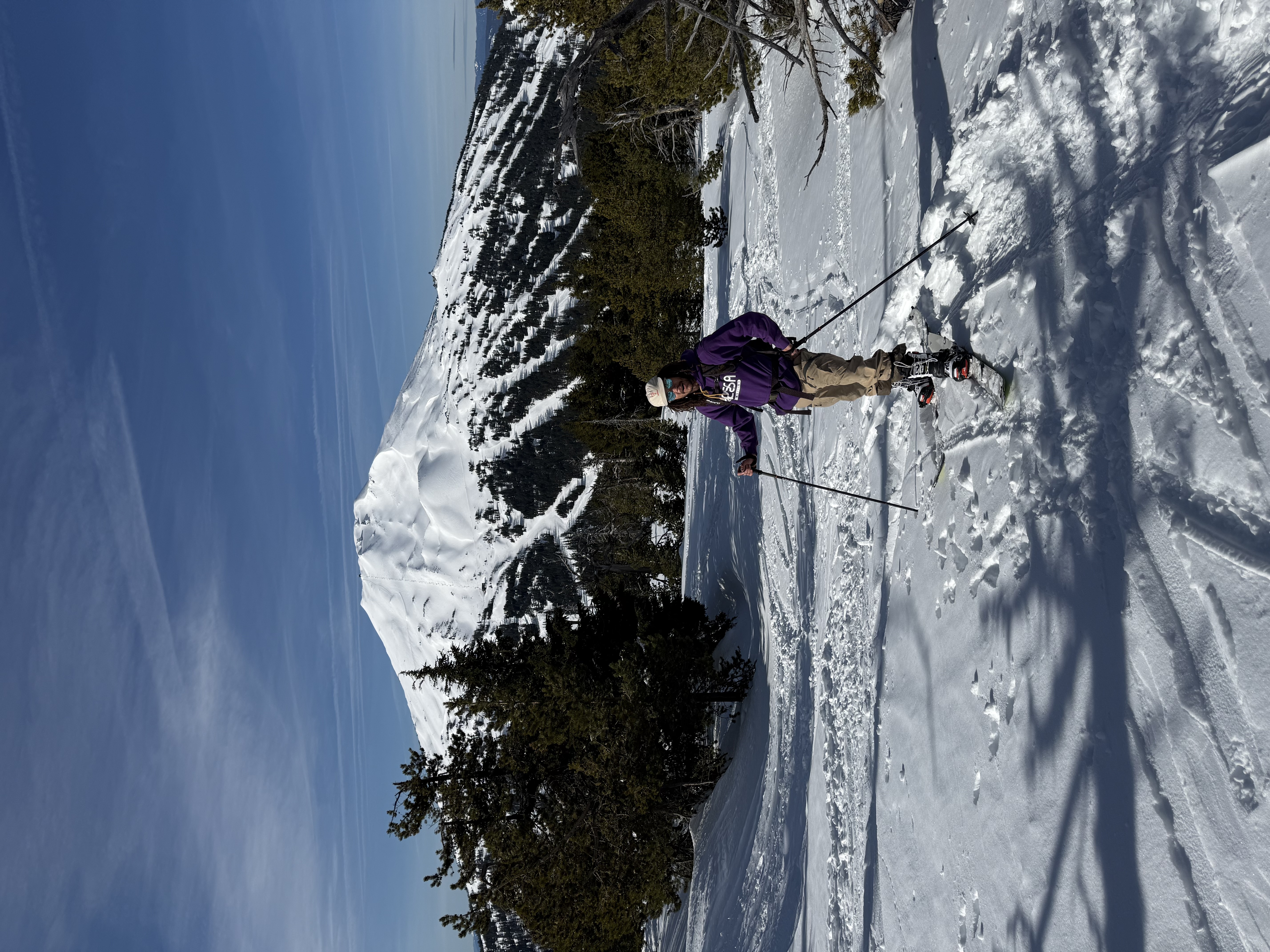
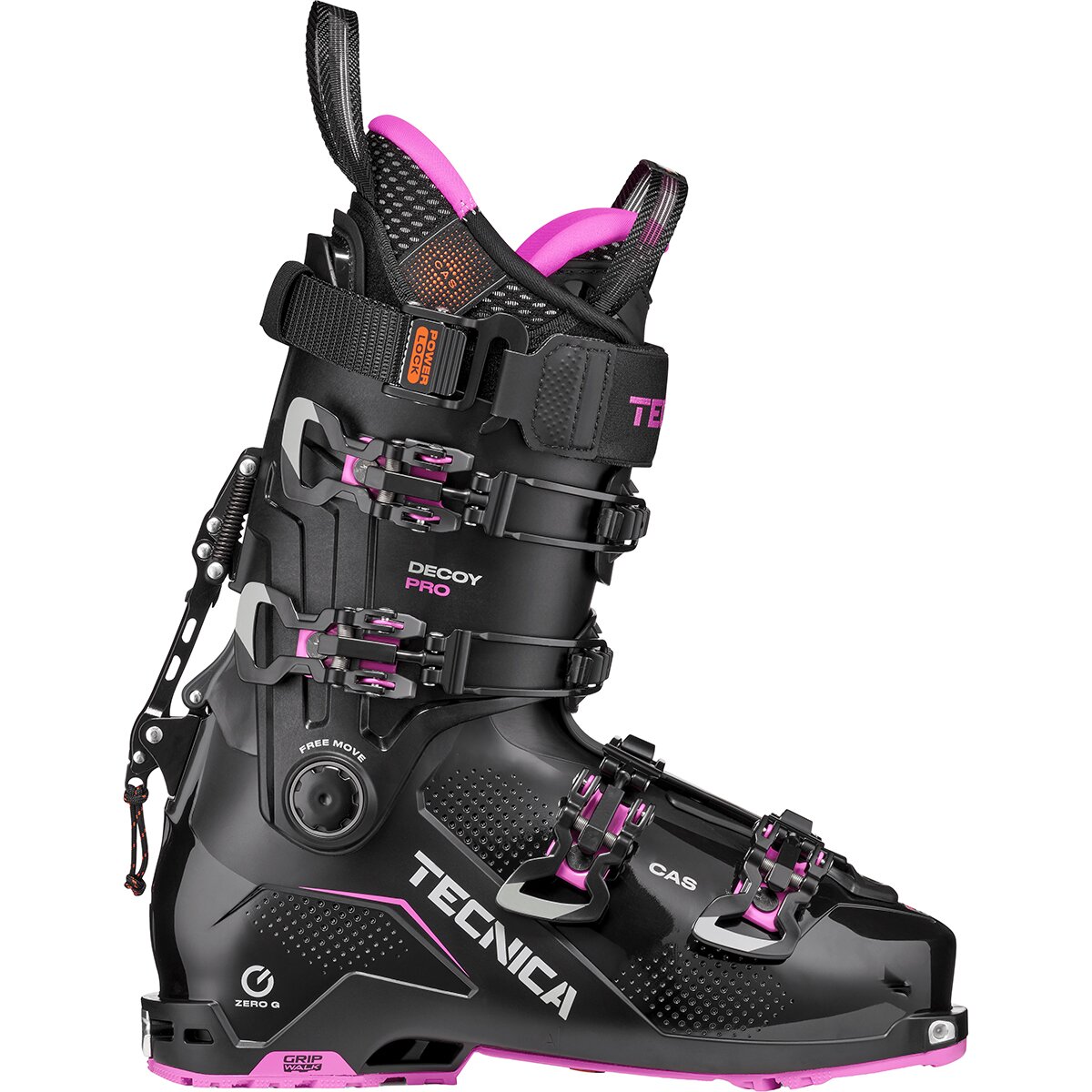
I’ve had a relationship with Weston since I first started exploring the backcountry, and their commitment to innovation continues to blow me away. I’m stoked to be part of their ambassador team and proud to stand behind gear I truly believe in. Check out my backcountry gear list featuring my top Weston splitboard picks and the gear I trust out there!






Climbing
The best gear to bring out to the Mountains to have a fun day of sending, training, or adventuring!


 Koby Yudkin
Technical Gear for Courses
Locking Carabiners – 5 HMS (pear-shaped) locking carabiners for attaching to a rope and belaying. Non-locking Carabiners - 6 carabiners to rack gear and build anchors. 120cm Sling – Used to create a personal anchor for rappelling. 180cm Sling - Used to build rock and snow anchors. Cordelette - 18 to 20 feet of 7mm diameter for pure nylon cord or 5.4mm V-TX Cord Prusik Cord - For escaping the belay and ascending a rope. Belay Device – Used for belaying and rappelling. Must be able to rappel on two strands. Micro-Traxion - A progress capture device with a pulley for efficiency. Knife - Hopefully we won't need it in the course, but always good to have!


 Koby Yudkin
Mount Hood Summit Climbs
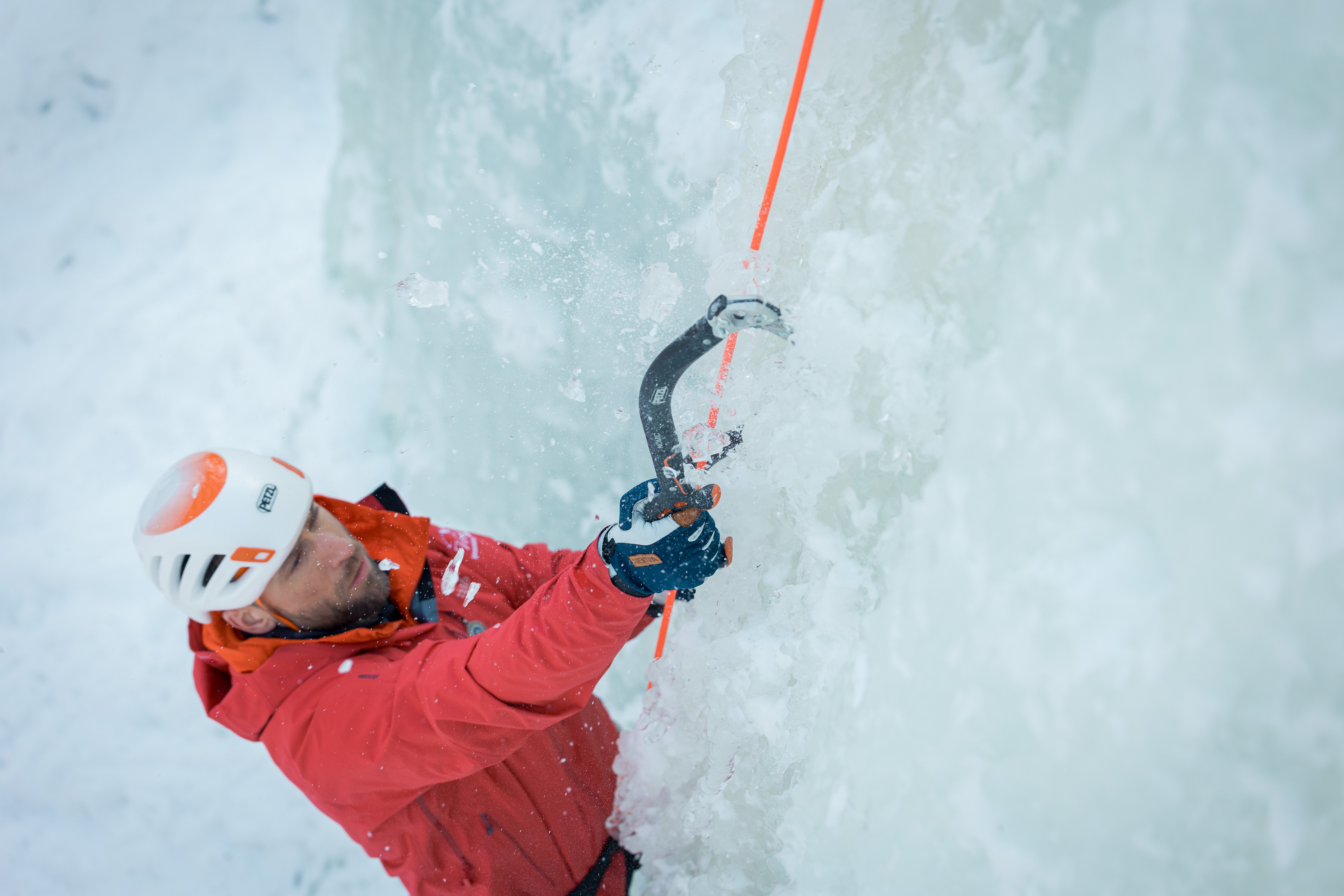
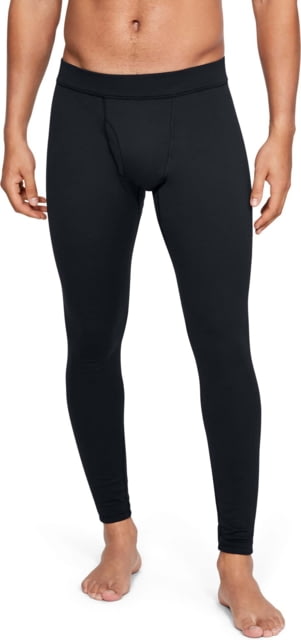
This gear list is for Mount Hood summit climbs. _____________________________________________________________________________ Trillium Alpine Guides proudly partners with Arc’teryx Portland because they share our commitment to high-quality products that ensure your safety and happiness in the mountains. We entrust our lives to the gear made by Arc’teryx, and you can too! _____________________________________________________________________________ Clothing Underwear – Wool or synthetic Socks – wool or synthetic Long Underwear – Light to medium weight bottoms Sun Shirt with Hood – Synthetic, quick-drying Midlayer Insulated Top - Lightweight fleece or synthetic insulation Waterproof Hardshell Jacket – Non-insulated, breathable, and waterproof jacket with a helmet-compatible hood. Waterproof Hardshell Pants – Non-insulated, breathable, and waterproof pants with a full-length side-zipper for putting on over boots in a storm. Insulated Parka – Required, with a helmet-compatible hood and either down or synthetic insulation. Medium-weight Gloves – Lightly insulated and weatherproof. (Aniiu Viinson Light) Heavy-weight Gloves/Mittens- Insulated and waterproof. (Aniiu Viinson Glove) Warm Hat – Wool or synthetic, and snug enough to wear under a helmet. Buff – Protect your face, ears, and neck from the wind, cold and sun. Sun Hat – Baseball cap or packable sun hat. Gaiters – Keep snow out of your boots in soft or slushy snow conditions. Gaiters will also save your pants from crampon bites. Personal Gear Lunch/Snacks – 1 lb per day of a variety of tasty, high energy foods. Each snack should be around 150-250 calories. Water Bottles – Two, 1-liter bottles or a 2-liter soft reservoir. Glacier Glasses – Should be high-quality, dark, and have side-shields. Mineral Sun Screen – SPF 30 or higher Lip Balm – SPF 15 or higher Toilet Paper – Just in case! Your guide will provide WAG Bags. Headlamp – For early starts, camp life, and emergencies Personal First Aid Kit – Moleskin, ibuprofen, aspirin, antacids, personal prescriptions, band-aids, and duct tape. Mountaineering Backpack – 35-45 liters. Technical Climbing Gear Many of these items can be rented from Mountain Shop. Mountaineering boots – Full shank, insulated, waterproof mountaineering boots are required for winter and spring climbing. Crampons – 10 or 12-point, steel crampons. Aluminum crampons aren’t suitable for winter and spring mountaineering in the Cascades. Ice Axe – 50 to 65 cm long. Trekking Poles with Snow Baskets – Highly recommended for saving energy on the way up and your knees on the descent. (Folkrm Tahoma Poles) Climbing Harness – Lightweight alpine-style with a waist belt and leg loops that can open completely. Climbing Helmet - UIAA rated climbing helmet Locking Carabiners – 2 HMS (pear-shaped) locking carabiners for attaching to a rope and belaying.


 Koby Yudkin
Overnight Programs
This gear is for multi-day rock climbing, mountaineering, and backcountry skiing courses and guided trips. This gear is required for overnight programs, in addition to clothing and technical gear. These programs include: Mt. Baker, Mt. Shuksan, 5-day Mountaineering Courses, 5-day Alpine Climbing Courses ____________________________________________ Breakfasts – Oatmeal or breakfast bar that you can eat without much preparation early in the morning. A good breakfast should be about 250-350 calories. Dehydrated Dinners – Quick and easy meal for camp, just add hot water! Aim for a meal with 500 calories or more. Instant Coffee Mountaineering Backpack – 55-65 liters. Bowl, Spoon, & Cup Closed-Cell Foam Sleeping Pad – Adds insulation and cushion. Inflatable Sleeping Pad Inflatable Pillow Camp Shoes/Down Booties - Nice for around basecamp and yurt trips. Sleeping Bag – Rated 0-20 degrees, with compression stuff sack. Toiletries – Toothbrush and toothpaste, floss, eyewear, earplugs, personal medication. 1 Gallon Ziploc bag – 2-3 are useful for trash and dirty clothes. Garbage Bags – 1-2 compactor bags to use as a backpack liner and tent organization. Multi-tool – Pliers, knife, screwdriver.


 Koby Yudkin
Summer Mountaineering
This gear list is for mountaineering and alpine rock courses and guided trips that take place in July and August. These programs include: Mt. Baker, Mt. Shuksan, North Cascades, 5-day Mountaineering Courses, 5-day Alpine Rock Courses Overnight Programs require additional gear that can be found on the Overnight Program gear list. 5-day courses require additional technical gear that can be found on the Technical Climbing Course list. _____________________________________________________________________________ We proudly partner with Arc’teryx Portland because they share our commitment to high-quality products that ensure your safety and happiness in the mountains. We entrust our lives to the gear made by Arc’teryx, and you can too! _____________________________________________________________________________ Clothing Underwear – Wool or synthetic. Socks – Wool or synthetic. Long Underwear – Light to medium weight bottoms. Sun Shirt with Hood – Synthetic, quick-drying. Softshell Jacket - Synthetic, lightweight and weather-resistant jacket. Hiking/Softshell Pants - Synthetic, lightweight and weather-resistant pants. Midlayer Insulated Top - Lightweight fleece or synthetic insulation. Waterproof Hardshell Jacket – Non-insulated, breathable, and waterproof jacket with a helmet-compatible hood. Waterproof Hardshell Pants – Non-insulated, breathable, and waterproof pants with a full-length side-zipper for putting on over boots in a storm. Light Insulated Parka – Required, with a helmet-compatible hood and either down or synthetic insulation. Light-weight Gloves –Lightweight liner or softshell gloves for approaches and warmer conditions. (Aniiu Ossa XT) Medium-weight Gloves – Lightly insulated and weatherproof. (Aniiu Viinson Light) Warm Hat – Wool or synthetic, and snug enough to wear under a helmet. Buff – Protect your face, ears, and neck from the wind, cold and sun. Sun Hat – Baseball cap or packable sun hat. Personal Gear Lunch/Snacks – 1 lb per day of a variety of tasty, high energy foods. Each snack should be around 150-250 calories. Water Bottles – Two, 1-liter bottles or a 2-liter soft reservoir. Glacier Glasses – Should be high-quality, dark, and have side-shields. Mineral Sun Screen – SPF 30 or higher Lip Balm – SPF 15 or higher Toilet Paper – Just in case! Your guide will provide WAG Bags. Headlamp – For early starts, camp life, and emergencies Personal First Aid Kit – Moleskin, ibuprofen, aspirin, antacids, personal prescriptions, band-aids, and duct tape. Technical Climbing Gear Many of these items can be rented from the Mountain Shop in Portland. Mountaineering boots – ¾ shank, waterproof mountaineering boots are great for summer climbs in the North Cascades. Crampons – 10 or 12-point, steel front-point crampons. Aluminum front-point crampons aren’t suitable for typical steep climbing in the Cascades. Ice Axe – 50 to 65 cm long. Ice Tools and Ice Climbing Crampons –Only needed for the North Ridge of Mt. Baker. Trekking Poles with Snow Baskets – Highly recommended for saving energy on the way up and your knees on the descent. (Folkrm Pahto Poles, Folkrm Kulshan Folding Poles) Climbing Harness – Lightweight alpine-style with a waist belt and leg loops that can open completely. Climbing Helmet Locking Carabiners – 3 HMS (pear-shaped) locking carabiners for attaching to a rope and belaying. 120cm Sling – Used to create a personal anchor for rappelling. Tube-style belay device – Used for belaying and rappelling. Must be able to rappel on two strands.


 Koby Yudkin
Backcountry Skiing
This gear list is for backcountry ski courses and guided trips. These programs include: Intro to Backcountry, Decision Making for Avalanche Terrain, Avalanche Rescue, and Mt. Hood Ski Tours Ski Mountaineering Programs require additional gear that can be found on the Ski Mountaineering Program list. _____________________________________________________________________________ Trillium Alpine Guides proudly partners with Arc’teryx Portland because they share our commitment to high-quality products that ensure your safety and happiness in the mountains. We entrust our lives to the gear made by Arc’teryx, and you can too! _____________________________________________________________________________ Rescue Gear: These items can be rented from Mountain Shop. • Avalanche Transceiver – Make sure it has fresh batteries! • Avalanche Shovel • Avalanche Probe – 240cm in length. • Backcountry Ski Pack - with ski/board carry options and a dedicated compartment for avalanche rescue gear. Ski Gear: These items can be rented from Mountain Shop. • Skis or Splitboard with Touring Bindings • Touring Ski or Snowboard Boots • Ski Poles – (Folkrm Pahto Poles) • Climbing Skins - Make sure they have been cut to fit your skis or splitboard. • Ski Helmet Clothing: • Underwear – Wool or synthetic. • Socks – Wool or synthetic. • Long Underwear – Light to medium weight bottoms. • Sun Shirt with Hood – Synthetic, quick-drying. • Midlayer Insulated Top - Lightweight fleece or synthetic insulation. • Softshell Jacket - Synthetic, lightweight and weather-resistant jacket • Waterproof Hardshell Jacket – Non-insulated, breathable, and waterproof jacket with a helmet-compatible hood. • Waterproof Hardshell Pants – Non-insulated, breathable, and waterproof pants with a full-length side-zipper for putting on over boots in a storm. • Insulated Parka – Required for overnight programs. • Light-weight Gloves –Lightweight liner or softshell gloves for approaches and warmer conditions. (Aniiu Ossa XT) • Medium-weight Gloves – Lightly insulated and weatherproof. (Aniiu Viinson Light) • Heavy-weight Gloves/Mittens- Insulated and waterproof. (Aniiu Viinson Glove) • Sun Glasses – Should be high-quality and dark. • Ski Goggles - Bring whatever you use at the resort! • Warm Hat – Wool or synthetic, and snug enough to wear under a helmet. • Buff – Protect your face, ears, and neck from the wind, cold and sun. • Sun Hat – Baseball cap or packable sun hat.


 Koby Yudkin
Ski Mountaineering
This gear list is for ski mountaineering courses and guided trips. This gear is required in addition to the gear on the Backcountry Ski gear list and many of the items can be rented from Mountain Shop. These programs include: Mt. Hood Ski Descent, Mt. Baker Ski Descent, Big Mountain Riding Course Automatic Crampons – These will have both metal toe and heel bails. Cord style crampons can be useful for ski mountaineering, but traditional metal bar crampons work as well. Ice Axe – 45 cm long with an adze. Climbing Harness – Lightweight alpine-style with a waist belt and leg loops that can open completely. Climbing Helmet Locking Carabiners – 3 HMS (pear-shaped) locking carabiners for attaching to a rope and belaying. 120cm Sling – Used to create a personal anchor for rappelling. Tube-style belay device – Used for belaying and rappelling. Must be able to rappel on two strands.


 Koby Yudkin
Rock Climbing
This gear list is for guided rock climbing trips, year round. These programs include: Cragging, Beacon Rock Multi-Pitches, Smith Rock Multi-Pitches, Monkey Face, as well as all courses. Courses require additional gear that can be found on the Technical Climbing Course list. _____________________________________________________________________________ Trillium Alpine Guides proudly partners with Arc’teryx Portland because they share our commitment to high-quality products that ensure your safety and happiness in the mountains. We entrust our lives to the gear made by Arc’teryx, and you can too! _____________________________________________________________________________ Sun Shirt – Synthetic, quick-drying Midlayer Insulated Top -Lightweight fleece or synthetic insulation Softshell Jacket - Synthetic, lightweight and weather-resistant jacket Hiking/Softshell Pants - Synthetic, lightweight and weather-resistant pants Insulated Jacket- Down or synthetic insulation. Leather Gloves – For belaying and rappelling, hardware store work gloves will work (Rope Glove) Sun Hat – Baseball caps or packable sun hat. Technical Climbing Gear: Many of these items can be rented from the Mountain Shop in Portland. Approach Shoes – Most closed toed shoes are appropriate, but approach shoes can increase your stability significantly, especially relevant in certain venues. Rock Climbing Shoes – Any rock climbing shoe is appropriate, but we suggest bringing something that is comfortable to keep on all day. Climbing Harness - Padded for all day comfort. Climbing Helmet Locking Carabiners – 3 HMS (pear-shaped) locking carabiners for attaching to a rope and belaying. 120cm Sling – Used to create a personal anchor for rappelling. Belay Device – Used for belaying and rappelling. Must be able to rappel on two strands. Personal Gear: Day Pack – A small to medium sized backpack to carry group and personal gear. Lunch/Snacks – Each snack should be around 150-250 calories. Bring about 8 snacks with you for the day. Water Bottles – Two, 1-liter bottles or a 2-liter soft reservoir. Sunglasses - Polarized lens will help protect your eyes on bright days. Sun Block – SPF 30 or higher.


 Zion Adventures
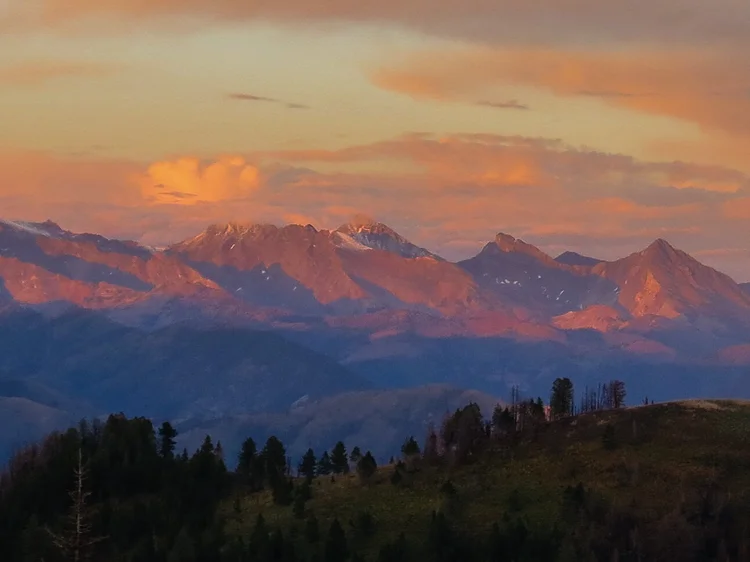
Splitboarding
I’m not a guide — but I spend my winters in the backcountry with them. This splitboard kit is built from real days touring, riding, and learning the difference between what works in a resort and what actually matters when you’re earning every turn. I’m constantly testing gear with guides, talking directly to brands, and cutting through the noise to find what performs best in real mountain conditions. Everything here is what I trust when I leave the lift behind.


 Matt Frevele
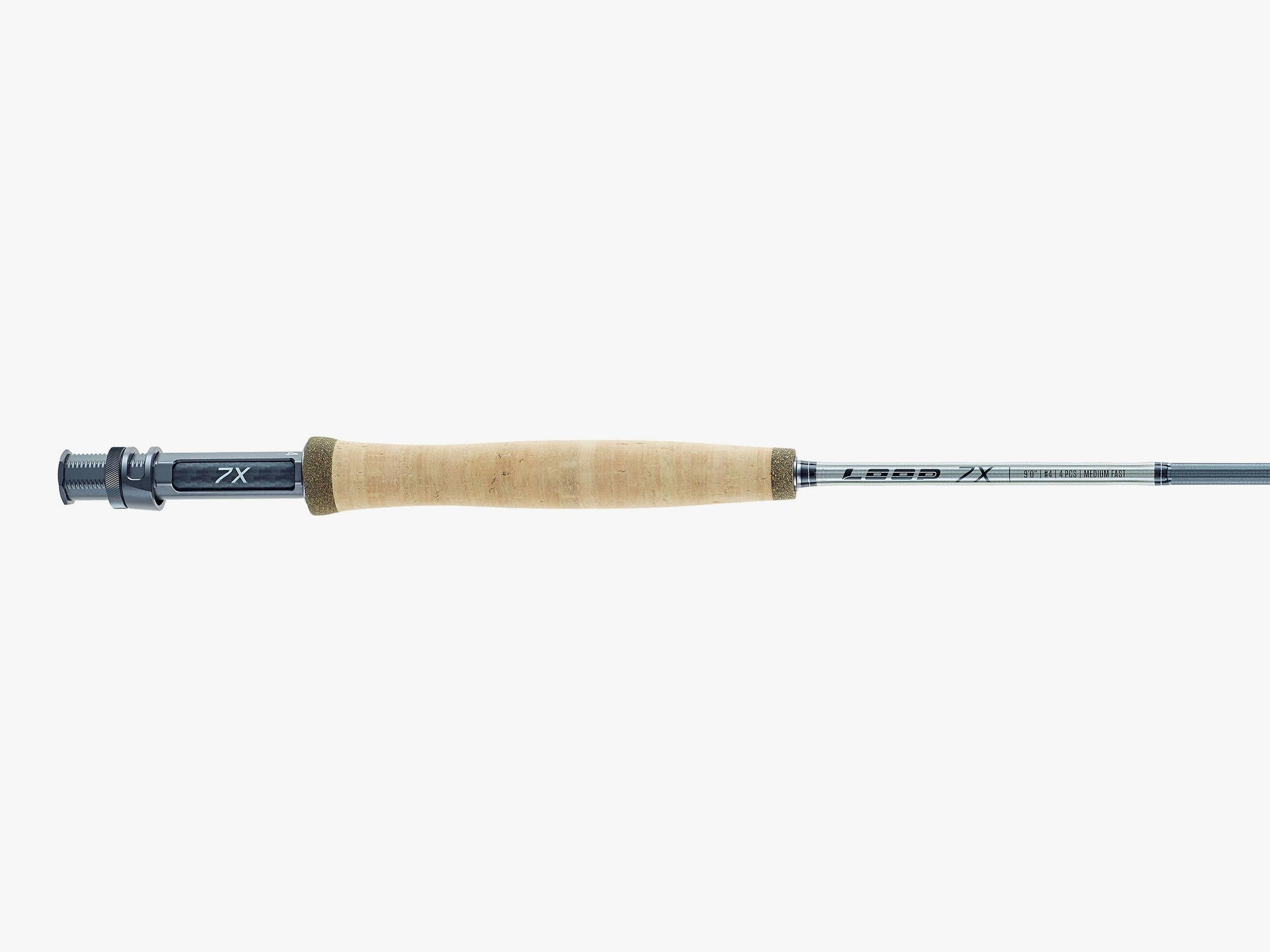
Western Wyoming Fly Fishing Essentials
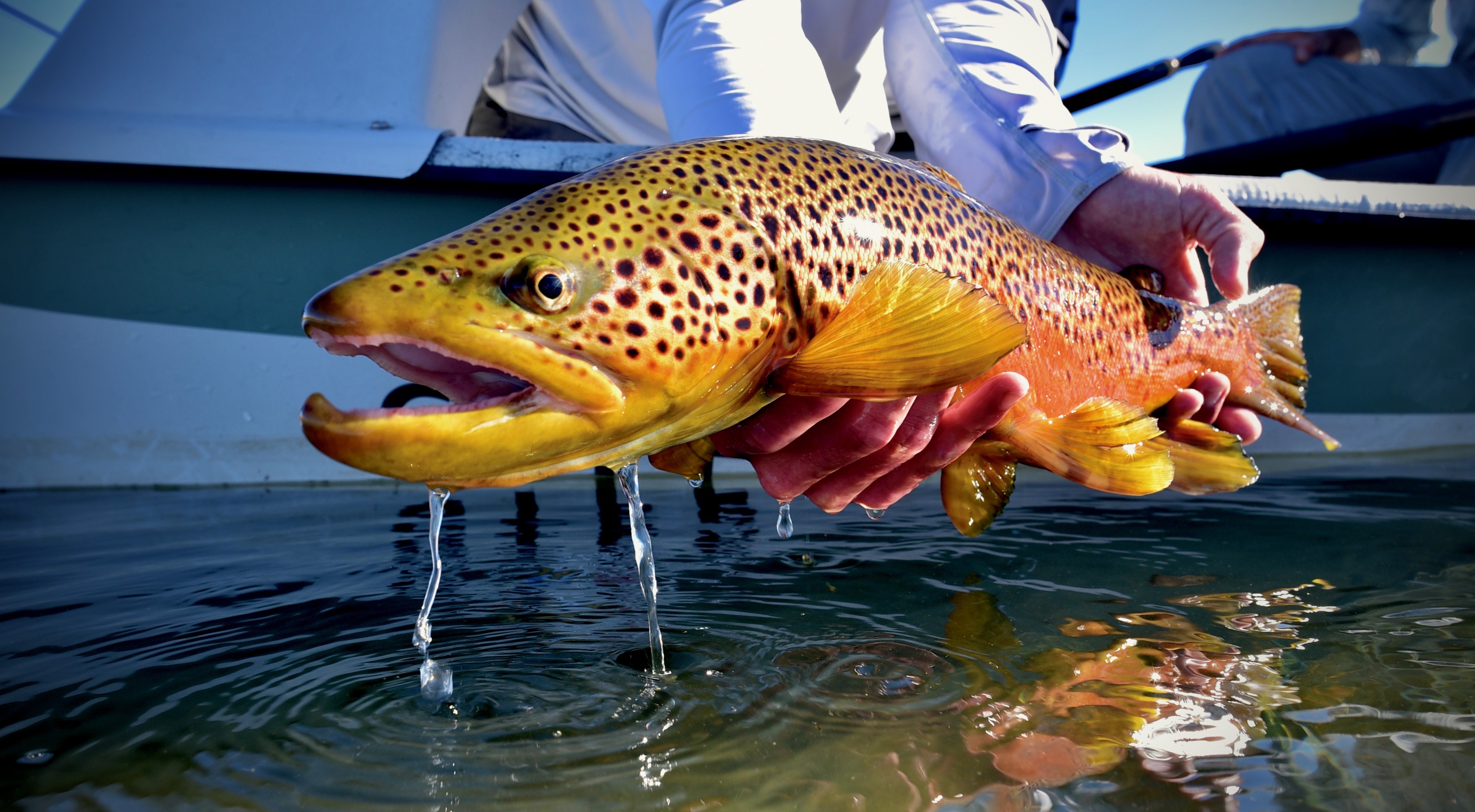
Western Wyoming is home to a diverse range of rivers, each offering unique fishing opportunities that can be enjoyed either by drift boat or on foot. Depending on the river, conditions, and target species, anglers may find success throwing everything from large articulated streamers to delicate dry flies. Because these techniques often require different setups, bringing multiple rods is highly recommended. Having the right rod rigged and ready allows anglers to quickly adapt to changing water conditions and fishing situations, maximizing their time on the water and their chances for success.


 Doug Bernard
Pro Guiding Service Mt Baker 3 Day Ski Summit
Mount Baker offers some of the best ski touring in the state. It's hard to argue with 8,000 feet of vertical in one of the world's largest snow factories. The terrain is high alpine and as severe as you want to make it. It's a beautiful summit and we love guiding it!


 Eric Larsen
 Explore
This is the exact gear setup used by Eric Larsen—one of the most experienced polar explorers on the planet. Designed for expeditions across the Arctic and Antarctica, every piece in this list has been tested in some of the harshest conditions on Earth. From extreme cold and relentless wind to complete isolation, this gear is built for survival, efficiency, and endurance. The focus is on systems that work together: layering for brutal temperatures, sled-hauling efficiency, and equipment that won’t fail when it matters most. Nothing here is extra—every item earns its place. Whether you’re heading into extreme environments or just want to understand what true expedition-level gear looks like, this is the blueprint.


 Karuna Project
Tanzania: Kilimanjaro Climb
Climbing Mount Kilimanjarovia the Rongai Route means moving through drastically different environments, from warm forests to freezing high-altitude terrain. Your gear needs to handle rapid shifts in temperature, weather, and elevation. This list is built to keep things simple, focusing on essentials that actually make a difference. A solid layering system is key to staying comfortable and adapting as conditions change. The right gear will help you conserve energy, recover better, and stay safe throughout the climb. It’s not about bringing more—it’s about bringing what works. Pack smart, and you give yourself a much better shot at reaching the summit feeling strong.


 San Juan Mountain Guides
The Iron Road – Telluride Via Ferrata
The Telluride Via Ferrata has the potential to be the highlight of your vacation to the majestic San Juan Mountains. Set above the quaint mountain town of Telluride, this unique adventure combines all the best elements of mountain hiking and the classic via ferrata ladder/cable systems


 Dig Deep Mountain Bike Tours
Bellingham MTB
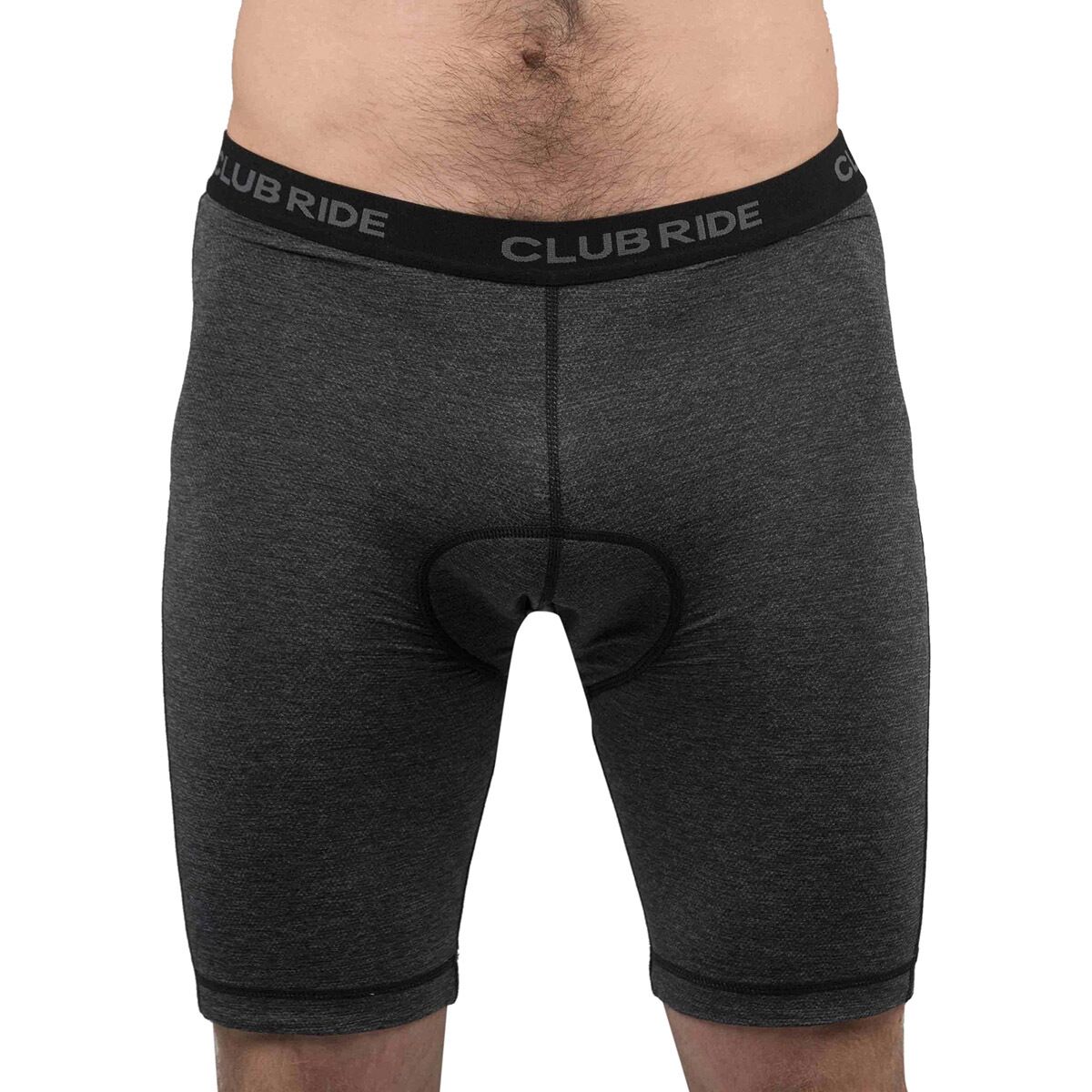
At Dig Deep, we believe the right gear makes all the difference between a good ride and an unforgettable one. Whether you’re joining us for a single-day adventure or a multi-day backcountry experience, being properly equipped ensures you can focus on what really matters—flowing through singletrack, building confidence, and soaking in every moment on the bike. Our gear list is designed with years of real-world riding, guiding, and trail experience in mind. We keep it practical, streamlined, and purpose-driven—no fluff, just what you need to ride safely, comfortably, and confidently in a variety of conditions. From essential safety items to ride-enhancing extras, we’ve got you covered. Show up prepared, and we’ll take care of the rest. Let’s ride.



 Mark Stoeckl
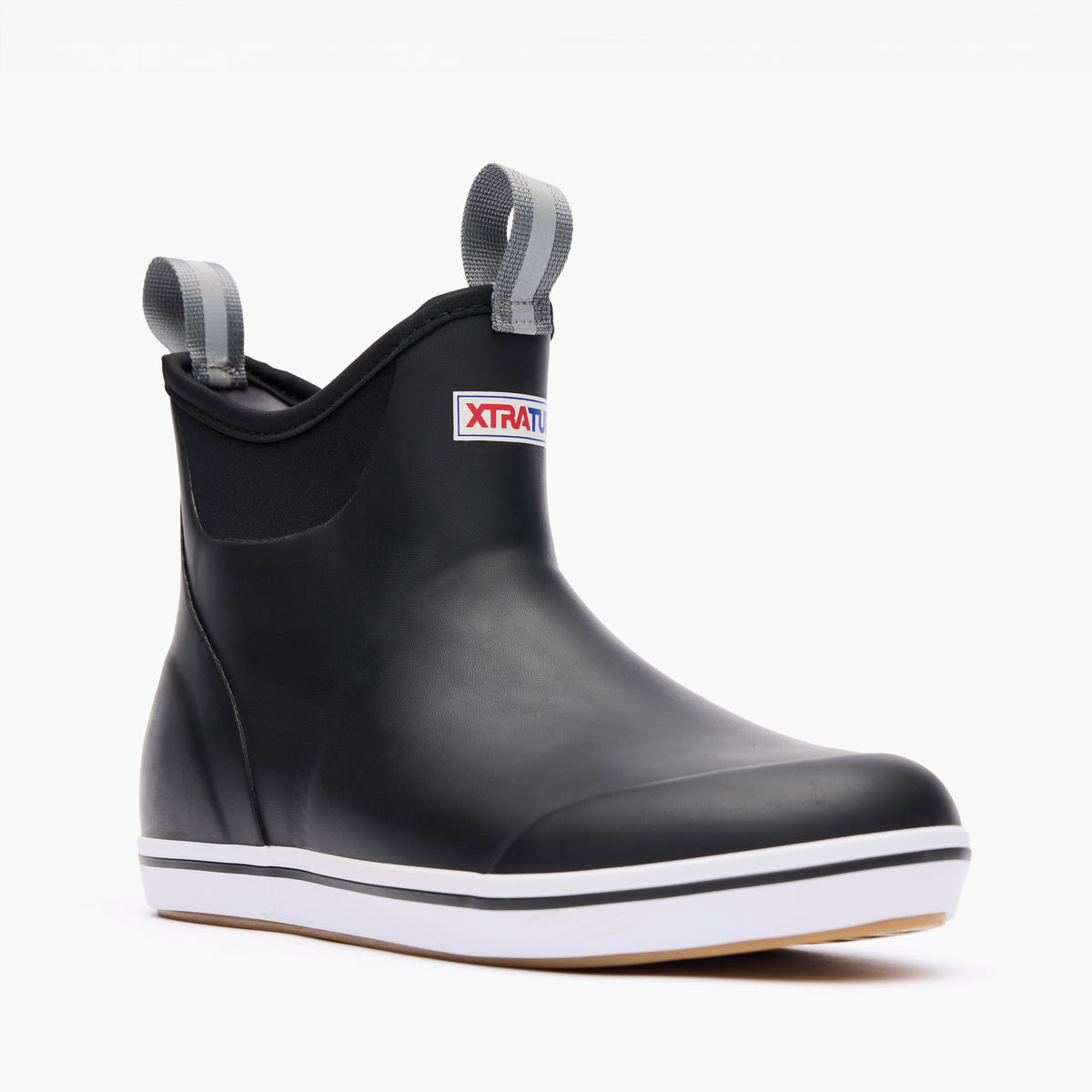
McCall Backcountry Skiing
Getting out skiing/riding in the West Central Mountains of Idaho.






 Ice Axe Expeditions
Morocco Skiing the Atlas Mountains
This trip involves a lot of luggage moving through tight alleyways, up narrow staircases, on & off of mules, in & out of vans and through airports. As such, it is helpful to try to minimize the amount of gear you bring and pack it in a durable duffle bag. For both the trip up Toubkal and over to the Sahara, we can leave much of our bulky luggage in a hotel. Gear List We recommend bringing 1 ski bag and 1 duffel, plus an additional stuff sack/spare duffel. Please pack your belongings in a duffel or backpack, NOT in a rigid suitcase (we do not have space to transport rigid/ roller suitcases). An additional empty duffel will be used to transport just the necessities for the 2 nights on Toubkal. Pack as little as possible, but bring what you need!


 Ice Axe Expeditions
Iceland Ski and Sail
Pack like a sailor; in a duffel or backpack, NOT in a rigid suitcase (we do not have space on board to store rigid suitcases). Pack as little as possible, but bring what you need!


 Ice Axe Expeditions
Greenland Ski and Sail
Pack like a sailor; in a duffel or backpack, NOT in a rigid suitcase (we do not have space on board to store rigid suitcases). Pack as little as possible, but bring what you need!


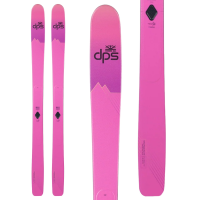

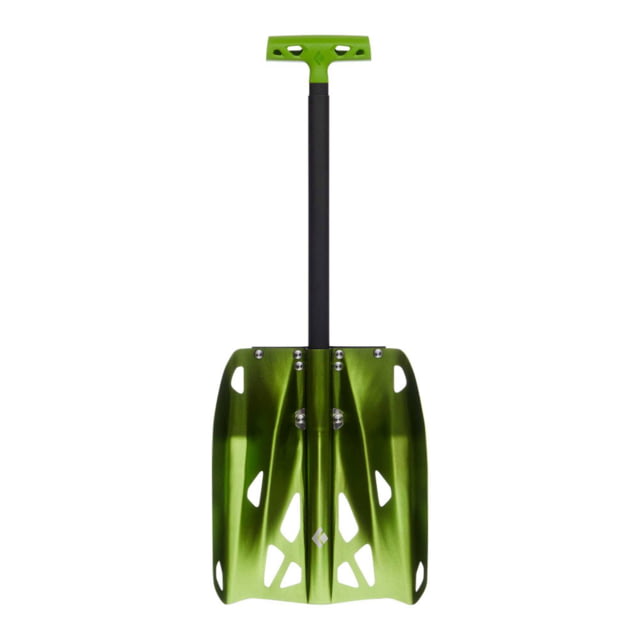


 Ice Axe Expeditions
Antarctica Peninsula Ski Cruise: Ski Mountaineering
PLEASE NOTE: You need a BRAND NEW pair of SKINS for use in Antarctica. We recommend bringing your existing pair for use in Ushuaia and keeping your new pair packed until we arrive in Antarctica. THIS IS MANDATORY IN ORDER TO SKI.





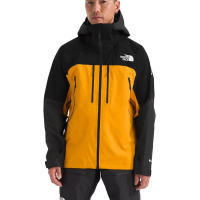
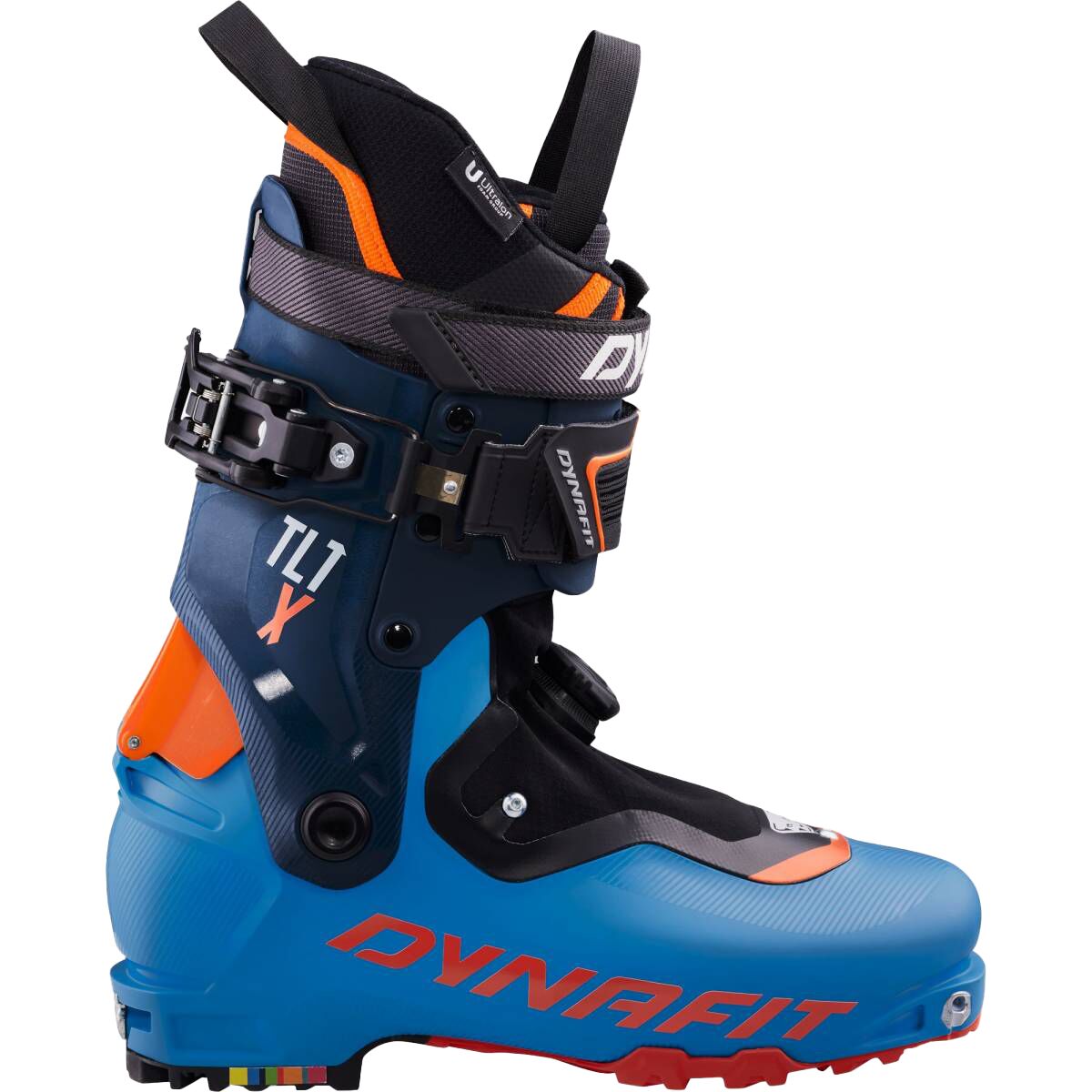


 Tim Johnson
Fitness Skinning
When it’s time for a quick lap up under the lifts before or after work


 Tim Johnson
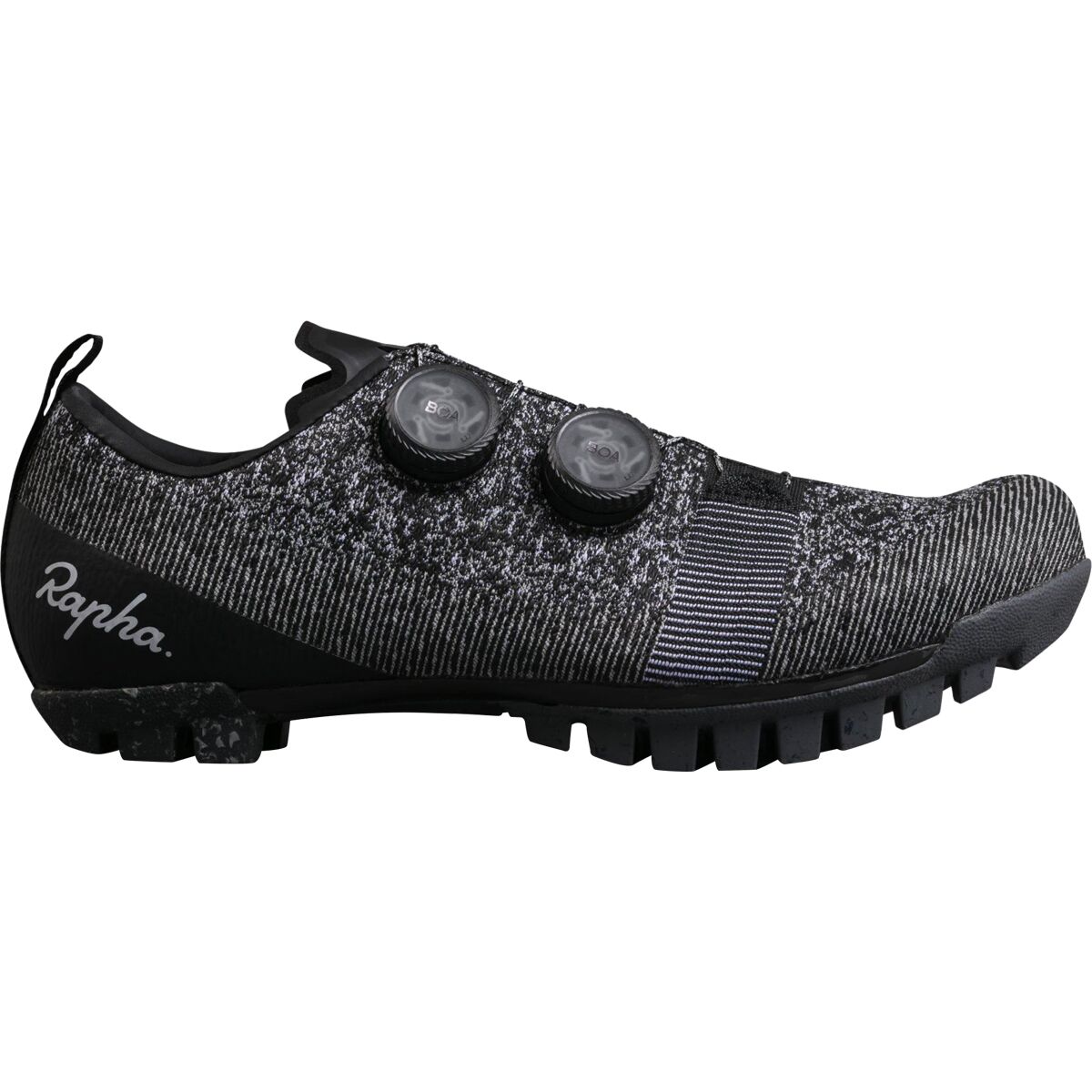
Everyday road/gravel
These are my go-to, nearly every day items that make my riding fun, safe and consistent.


 Brenton Reagan
Ski Mountaineering and Glacier Travel
These kits includes what you would need for a day of ski mountaineering or ski trip with glacier travel.




 Janin Alpine Guides
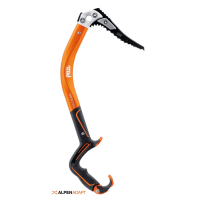
Backcountry Splitboarding Gear List
Often people forget the little things that make a trip more rewarding and way more comfortable. I have added a few necessary items as well as the amenities that I really enjoy in the backcountry.


 Janin Alpine Guides
Rock Climbing - Alpine
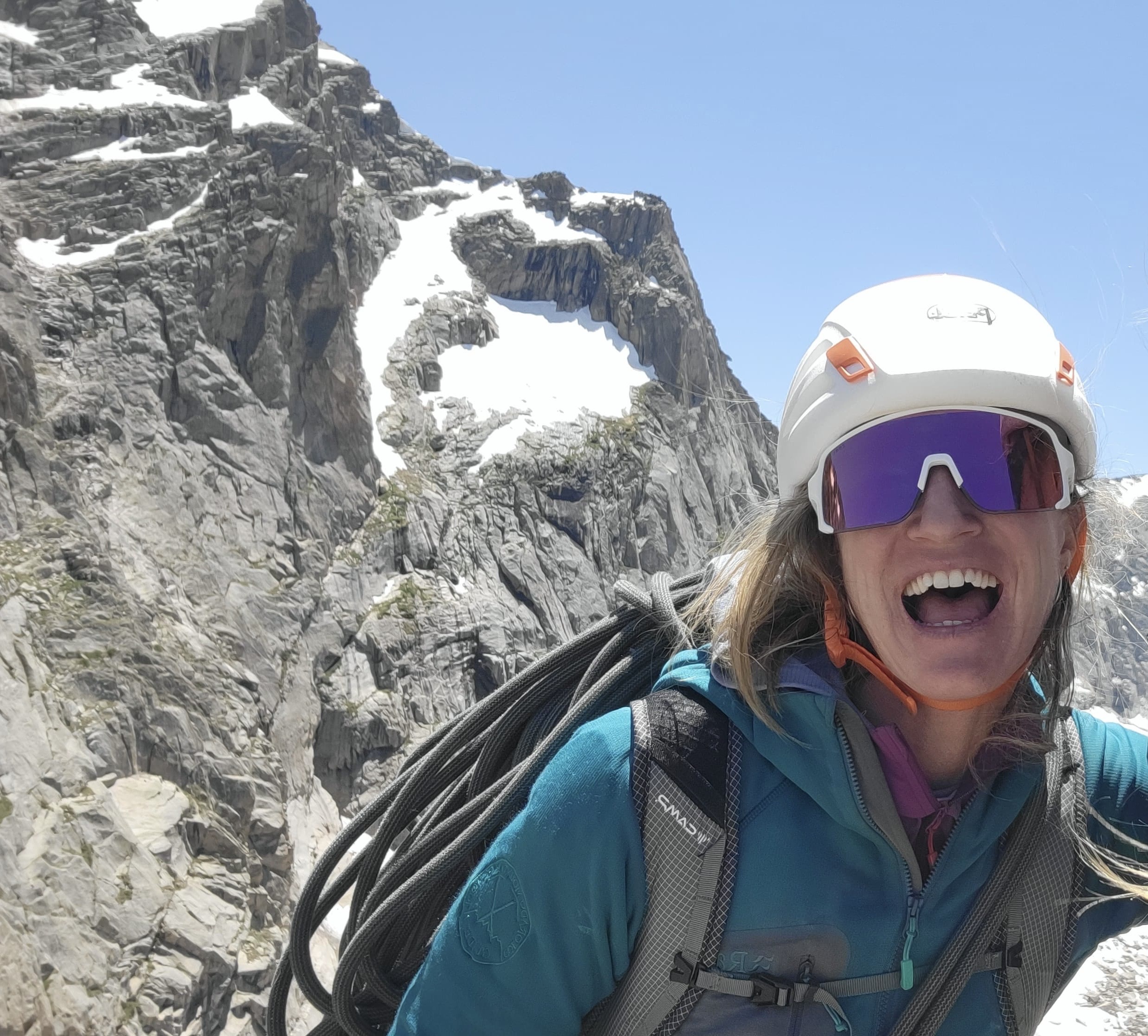
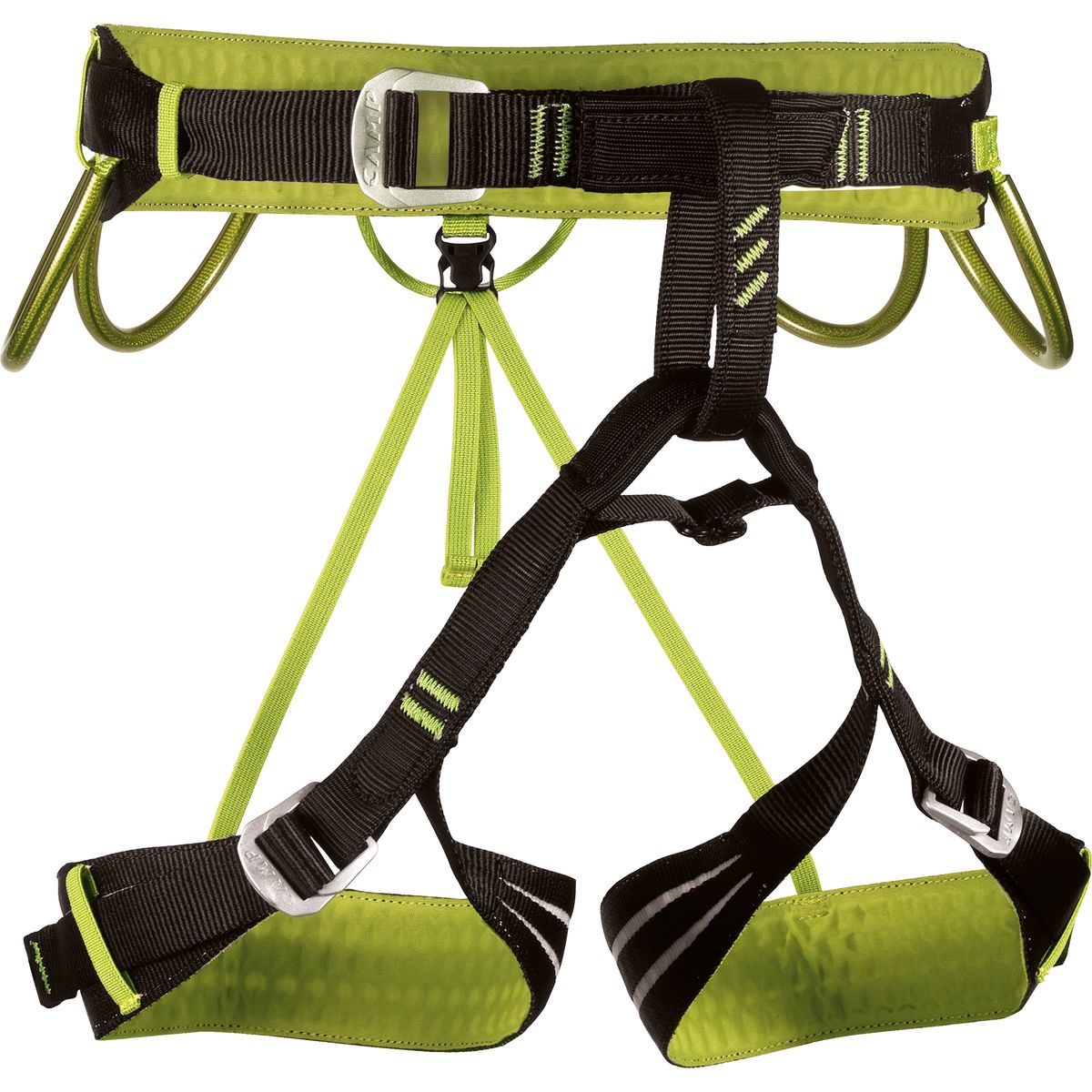
Fast, light, and safe in the alpine. A streamlined equipment breakdown for rock climbing routes where every ounce counts and safety remains uncompromised.


 Joe Harris
Western Rivers Float Trip
This is a gear list for any and all western rivers that apply to drift boat fishing.


 Joe Harris
Espiritu Santu/Ascension Bay Mexico Flats Fishing Gear
This is a gear list for inshore flats fishing in southern Mexico.


 Brenton Reagan
Backcountry Skiing
This gear list is for skiers and riders looking too lay trenches in the Tetons, travel to Alaska or Finnmark.