Trillium Alpine Guides
1205 NE 33rd Ave, Portland, OR 97232
From Smith Rock to Mt. Hood and up to Mt. Baker and the North Cascades, we offer guided rock climbing, mountaineering, and backcountry skiing adventures and education, led by Portland’s only AMGA certified guides.
Trillium Alpine Guides's gear lists

 Koby Yudkin
Backcountry Skiing
This gear list is for backcountry ski courses and guided trips. These programs include: Intro to Backcountry, Decision Making for Avalanche Terrain, Avalanche Rescue, and Mt. Hood Ski Tours Ski Mountaineering Programs require additional gear that can be found on the Ski Mountaineering Program list. _____________________________________________________________________________ Trillium Alpine Guides proudly partners with Arc’teryx Portland because they share our commitment to high-quality products that ensure your safety and happiness in the mountains. We entrust our lives to the gear made by Arc’teryx, and you can too! _____________________________________________________________________________ Rescue Gear: These items can be rented from Mountain Shop. • Avalanche Transceiver – Make sure it has fresh batteries! • Avalanche Shovel • Avalanche Probe – 240cm in length. • Backcountry Ski Pack - with ski/board carry options and a dedicated compartment for avalanche rescue gear. Ski Gear: These items can be rented from Mountain Shop. • Skis or Splitboard with Touring Bindings • Touring Ski or Snowboard Boots • Ski Poles – (Folkrm Pahto Poles) • Climbing Skins - Make sure they have been cut to fit your skis or splitboard. • Ski Helmet Clothing: • Underwear – Wool or synthetic. • Socks – Wool or synthetic. • Long Underwear – Light to medium weight bottoms. • Sun Shirt with Hood – Synthetic, quick-drying. • Midlayer Insulated Top - Lightweight fleece or synthetic insulation. • Softshell Jacket - Synthetic, lightweight and weather-resistant jacket • Waterproof Hardshell Jacket – Non-insulated, breathable, and waterproof jacket with a helmet-compatible hood. • Waterproof Hardshell Pants – Non-insulated, breathable, and waterproof pants with a full-length side-zipper for putting on over boots in a storm. • Insulated Parka – Required for overnight programs. • Light-weight Gloves –Lightweight liner or softshell gloves for approaches and warmer conditions. (Aniiu Ossa XT) • Medium-weight Gloves – Lightly insulated and weatherproof. (Aniiu Viinson Light) • Heavy-weight Gloves/Mittens- Insulated and waterproof. (Aniiu Viinson Glove) • Sun Glasses – Should be high-quality and dark. • Ski Goggles - Bring whatever you use at the resort! • Warm Hat – Wool or synthetic, and snug enough to wear under a helmet. • Buff – Protect your face, ears, and neck from the wind, cold and sun. • Sun Hat – Baseball cap or packable sun hat.


 Koby Yudkin
Mount Hood Summit Climbs
This gear list is for Mount Hood summit climbs. _____________________________________________________________________________ Trillium Alpine Guides proudly partners with Arc’teryx Portland because they share our commitment to high-quality products that ensure your safety and happiness in the mountains. We entrust our lives to the gear made by Arc’teryx, and you can too! _____________________________________________________________________________ Clothing Underwear – Wool or synthetic Socks – wool or synthetic Long Underwear – Light to medium weight bottoms Sun Shirt with Hood – Synthetic, quick-drying Midlayer Insulated Top - Lightweight fleece or synthetic insulation Waterproof Hardshell Jacket – Non-insulated, breathable, and waterproof jacket with a helmet-compatible hood. Waterproof Hardshell Pants – Non-insulated, breathable, and waterproof pants with a full-length side-zipper for putting on over boots in a storm. Insulated Parka – Required, with a helmet-compatible hood and either down or synthetic insulation. Medium-weight Gloves – Lightly insulated and weatherproof. (Aniiu Viinson Light) Heavy-weight Gloves/Mittens- Insulated and waterproof. (Aniiu Viinson Glove) Warm Hat – Wool or synthetic, and snug enough to wear under a helmet. Buff – Protect your face, ears, and neck from the wind, cold and sun. Sun Hat – Baseball cap or packable sun hat. Gaiters – Keep snow out of your boots in soft or slushy snow conditions. Gaiters will also save your pants from crampon bites. Personal Gear Lunch/Snacks – 1 lb per day of a variety of tasty, high energy foods. Each snack should be around 150-250 calories. Water Bottles – Two, 1-liter bottles or a 2-liter soft reservoir. Glacier Glasses – Should be high-quality, dark, and have side-shields. Mineral Sun Screen – SPF 30 or higher Lip Balm – SPF 15 or higher Toilet Paper – Just in case! Your guide will provide WAG Bags. Headlamp – For early starts, camp life, and emergencies Personal First Aid Kit – Moleskin, ibuprofen, aspirin, antacids, personal prescriptions, band-aids, and duct tape. Mountaineering Backpack – 35-45 liters. Technical Climbing Gear Many of these items can be rented from Mountain Shop. Mountaineering boots – Full shank, insulated, waterproof mountaineering boots are required for winter and spring climbing. Crampons – 10 or 12-point, steel crampons. Aluminum crampons aren’t suitable for winter and spring mountaineering in the Cascades. Ice Axe – 50 to 65 cm long. Trekking Poles with Snow Baskets – Highly recommended for saving energy on the way up and your knees on the descent. (Folkrm Tahoma Poles) Climbing Harness – Lightweight alpine-style with a waist belt and leg loops that can open completely. Climbing Helmet - UIAA rated climbing helmet Locking Carabiners – 2 HMS (pear-shaped) locking carabiners for attaching to a rope and belaying.


 Koby Yudkin
Summer Mountaineering
This gear list is for mountaineering and alpine rock courses and guided trips that take place in July and August. These programs include: Mt. Baker, Mt. Shuksan, North Cascades, 5-day Mountaineering Courses, 5-day Alpine Rock Courses Overnight Programs require additional gear that can be found on the Overnight Program gear list. 5-day courses require additional technical gear that can be found on the Technical Climbing Course list. _____________________________________________________________________________ We proudly partner with Arc’teryx Portland because they share our commitment to high-quality products that ensure your safety and happiness in the mountains. We entrust our lives to the gear made by Arc’teryx, and you can too! _____________________________________________________________________________ Clothing Underwear – Wool or synthetic. Socks – Wool or synthetic. Long Underwear – Light to medium weight bottoms. Sun Shirt with Hood – Synthetic, quick-drying. Softshell Jacket - Synthetic, lightweight and weather-resistant jacket. Hiking/Softshell Pants - Synthetic, lightweight and weather-resistant pants. Midlayer Insulated Top - Lightweight fleece or synthetic insulation. Waterproof Hardshell Jacket – Non-insulated, breathable, and waterproof jacket with a helmet-compatible hood. Waterproof Hardshell Pants – Non-insulated, breathable, and waterproof pants with a full-length side-zipper for putting on over boots in a storm. Light Insulated Parka – Required, with a helmet-compatible hood and either down or synthetic insulation. Light-weight Gloves –Lightweight liner or softshell gloves for approaches and warmer conditions. (Aniiu Ossa XT) Medium-weight Gloves – Lightly insulated and weatherproof. (Aniiu Viinson Light) Warm Hat – Wool or synthetic, and snug enough to wear under a helmet. Buff – Protect your face, ears, and neck from the wind, cold and sun. Sun Hat – Baseball cap or packable sun hat. Personal Gear Lunch/Snacks – 1 lb per day of a variety of tasty, high energy foods. Each snack should be around 150-250 calories. Water Bottles – Two, 1-liter bottles or a 2-liter soft reservoir. Glacier Glasses – Should be high-quality, dark, and have side-shields. Mineral Sun Screen – SPF 30 or higher Lip Balm – SPF 15 or higher Toilet Paper – Just in case! Your guide will provide WAG Bags. Headlamp – For early starts, camp life, and emergencies Personal First Aid Kit – Moleskin, ibuprofen, aspirin, antacids, personal prescriptions, band-aids, and duct tape. Technical Climbing Gear Many of these items can be rented from the Mountain Shop in Portland. Mountaineering boots – ¾ shank, waterproof mountaineering boots are great for summer climbs in the North Cascades. Crampons – 10 or 12-point, steel front-point crampons. Aluminum front-point crampons aren’t suitable for typical steep climbing in the Cascades. Ice Axe – 50 to 65 cm long. Ice Tools and Ice Climbing Crampons –Only needed for the North Ridge of Mt. Baker. Trekking Poles with Snow Baskets – Highly recommended for saving energy on the way up and your knees on the descent. (Folkrm Pahto Poles, Folkrm Kulshan Folding Poles) Climbing Harness – Lightweight alpine-style with a waist belt and leg loops that can open completely. Climbing Helmet Locking Carabiners – 3 HMS (pear-shaped) locking carabiners for attaching to a rope and belaying. 120cm Sling – Used to create a personal anchor for rappelling. Tube-style belay device – Used for belaying and rappelling. Must be able to rappel on two strands.


 Koby Yudkin
Overnight Programs
This gear is for multi-day rock climbing, mountaineering, and backcountry skiing courses and guided trips. This gear is required for overnight programs, in addition to clothing and technical gear. These programs include: Mt. Baker, Mt. Shuksan, 5-day Mountaineering Courses, 5-day Alpine Climbing Courses ____________________________________________ Breakfasts – Oatmeal or breakfast bar that you can eat without much preparation early in the morning. A good breakfast should be about 250-350 calories. Dehydrated Dinners – Quick and easy meal for camp, just add hot water! Aim for a meal with 500 calories or more. Instant Coffee Mountaineering Backpack – 55-65 liters. Bowl, Spoon, & Cup Closed-Cell Foam Sleeping Pad – Adds insulation and cushion. Inflatable Sleeping Pad Inflatable Pillow Camp Shoes/Down Booties - Nice for around basecamp and yurt trips. Sleeping Bag – Rated 0-20 degrees, with compression stuff sack. Toiletries – Toothbrush and toothpaste, floss, eyewear, earplugs, personal medication. 1 Gallon Ziploc bag – 2-3 are useful for trash and dirty clothes. Garbage Bags – 1-2 compactor bags to use as a backpack liner and tent organization. Multi-tool – Pliers, knife, screwdriver.


 Koby Yudkin
Technical Gear for Courses
Locking Carabiners – 5 HMS (pear-shaped) locking carabiners for attaching to a rope and belaying. Non-locking Carabiners - 6 carabiners to rack gear and build anchors. 120cm Sling – Used to create a personal anchor for rappelling. 180cm Sling - Used to build rock and snow anchors. Cordelette - 18 to 20 feet of 7mm diameter for pure nylon cord or 5.4mm V-TX Cord Prusik Cord - For escaping the belay and ascending a rope. Belay Device – Used for belaying and rappelling. Must be able to rappel on two strands. Micro-Traxion - A progress capture device with a pulley for efficiency. Knife - Hopefully we won't need it in the course, but always good to have!


 Koby Yudkin
Rock Climbing
This gear list is for guided rock climbing trips, year round. These programs include: Cragging, Beacon Rock Multi-Pitches, Smith Rock Multi-Pitches, Monkey Face, as well as all courses. Courses require additional gear that can be found on the Technical Climbing Course list. _____________________________________________________________________________ Trillium Alpine Guides proudly partners with Arc’teryx Portland because they share our commitment to high-quality products that ensure your safety and happiness in the mountains. We entrust our lives to the gear made by Arc’teryx, and you can too! _____________________________________________________________________________ Sun Shirt – Synthetic, quick-drying Midlayer Insulated Top -Lightweight fleece or synthetic insulation Softshell Jacket - Synthetic, lightweight and weather-resistant jacket Hiking/Softshell Pants - Synthetic, lightweight and weather-resistant pants Insulated Jacket- Down or synthetic insulation. Leather Gloves – For belaying and rappelling, hardware store work gloves will work (Rope Glove) Sun Hat – Baseball caps or packable sun hat. Technical Climbing Gear: Many of these items can be rented from the Mountain Shop in Portland. Approach Shoes – Most closed toed shoes are appropriate, but approach shoes can increase your stability significantly, especially relevant in certain venues. Rock Climbing Shoes – Any rock climbing shoe is appropriate, but we suggest bringing something that is comfortable to keep on all day. Climbing Harness - Padded for all day comfort. Climbing Helmet Locking Carabiners – 3 HMS (pear-shaped) locking carabiners for attaching to a rope and belaying. 120cm Sling – Used to create a personal anchor for rappelling. Belay Device – Used for belaying and rappelling. Must be able to rappel on two strands. Personal Gear: Day Pack – A small to medium sized backpack to carry group and personal gear. Lunch/Snacks – Each snack should be around 150-250 calories. Bring about 8 snacks with you for the day. Water Bottles – Two, 1-liter bottles or a 2-liter soft reservoir. Sunglasses - Polarized lens will help protect your eyes on bright days. Sun Block – SPF 30 or higher.

 Koby Yudkin
Ski Mountaineering
This gear list is for ski mountaineering courses and guided trips. This gear is required in addition to the gear on the Backcountry Ski gear list and many of the items can be rented from Mountain Shop. These programs include: Mt. Hood Ski Descent, Mt. Baker Ski Descent, Big Mountain Riding Course Automatic Crampons – These will have both metal toe and heel bails. Cord style crampons can be useful for ski mountaineering, but traditional metal bar crampons work as well. Ice Axe – 45 cm long with an adze. Climbing Harness – Lightweight alpine-style with a waist belt and leg loops that can open completely. Climbing Helmet Locking Carabiners – 3 HMS (pear-shaped) locking carabiners for attaching to a rope and belaying. 120cm Sling – Used to create a personal anchor for rappelling. Tube-style belay device – Used for belaying and rappelling. Must be able to rappel on two strands.


 Trillium Alpine Guides
Ski/Splitboard Mountaineering Riding Gear
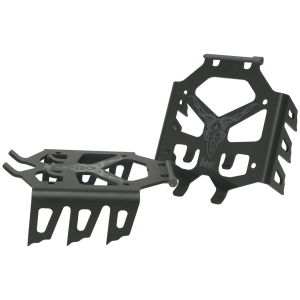
This list is supplemental to the Winter and Spring Mountaineering Gear. Caveats are that you will be climbing in your ski/snowboard boots and need to make sure that your crampons are compatible with those boots. If you are uncertain, please reach out to us directly. Rescue Gear: These items can be rented from Mountain Shop. Avalanche Transceiver – Mammut Barryvox S2 Make sure it has fresh batteries! Avalanche Shovel - Mammut Alugator Avalanche Probe – 280cm Probe Backcountry Ski Pack - Blue Ice Yagi 35L - this should have ski/board carry options and a dedicated compartment for avalanche rescue gear. Ski Gear: These items can be rented from Mountain Shop. Skis or Splitboard with Touring Bindings - a narrower ski or board with lighter, low tech bindings Ski Crampons - Compatible with your bindings (these are often binding specific, especially with splitboards), if you have questions, please ask! Touring Ski or Snowboard Boots - lighter boots which are compatible with boot crampons and your riding bindings (rough guideline is that weights of 1 ski + 1 binding = 1 boot) Ski Poles – Folkrm Tahoma Poles Climbing Skins - Make sure they have been cut to fit your skis or splitboard. Short Ice Axe - Petzl Gully Adze - This can replace the ice axe from the climbing gear list. A shorter axe is ideal so that it handles better and stows more neatly when riding. Helmet - Black Diamond Vision